The Importance of Healthy Food Habits: Building a Healthier Life One Meal at a Time
A healthy lifestyle does not begin in a gym or with an intense workout routine. It begins on our plate. The food we eat every day plays an important role in determining how we feel, how much energy we have, how well our body functions and how healthy we remain as we grow older.
In today’s busy lifestyle, it is easy to choose convenience over nutrition. Fast food, packaged snacks, sugary beverages and ready-to-eat meals have become common parts of our daily routines. While eating these foods occasionally is not necessarily a problem, making them a regular part of our diet can gradually affect our health.
Developing healthy food habits is therefore one of the simplest and most effective ways to take care of our body. Healthy eating is not about following a strict diet or completely avoiding the foods we enjoy. Instead, it is about making better choices consistently and giving our body the nutrients it needs.

What Are Healthy Food Habits?
Healthy food habits are the regular eating practices that help provide our body with adequate nutrition. They include eating a variety of foods, maintaining appropriate portions, drinking enough water, choosing minimally processed foods and maintaining regular meal patterns.
A healthy eating pattern usually includes:
- Fresh fruits and vegetables
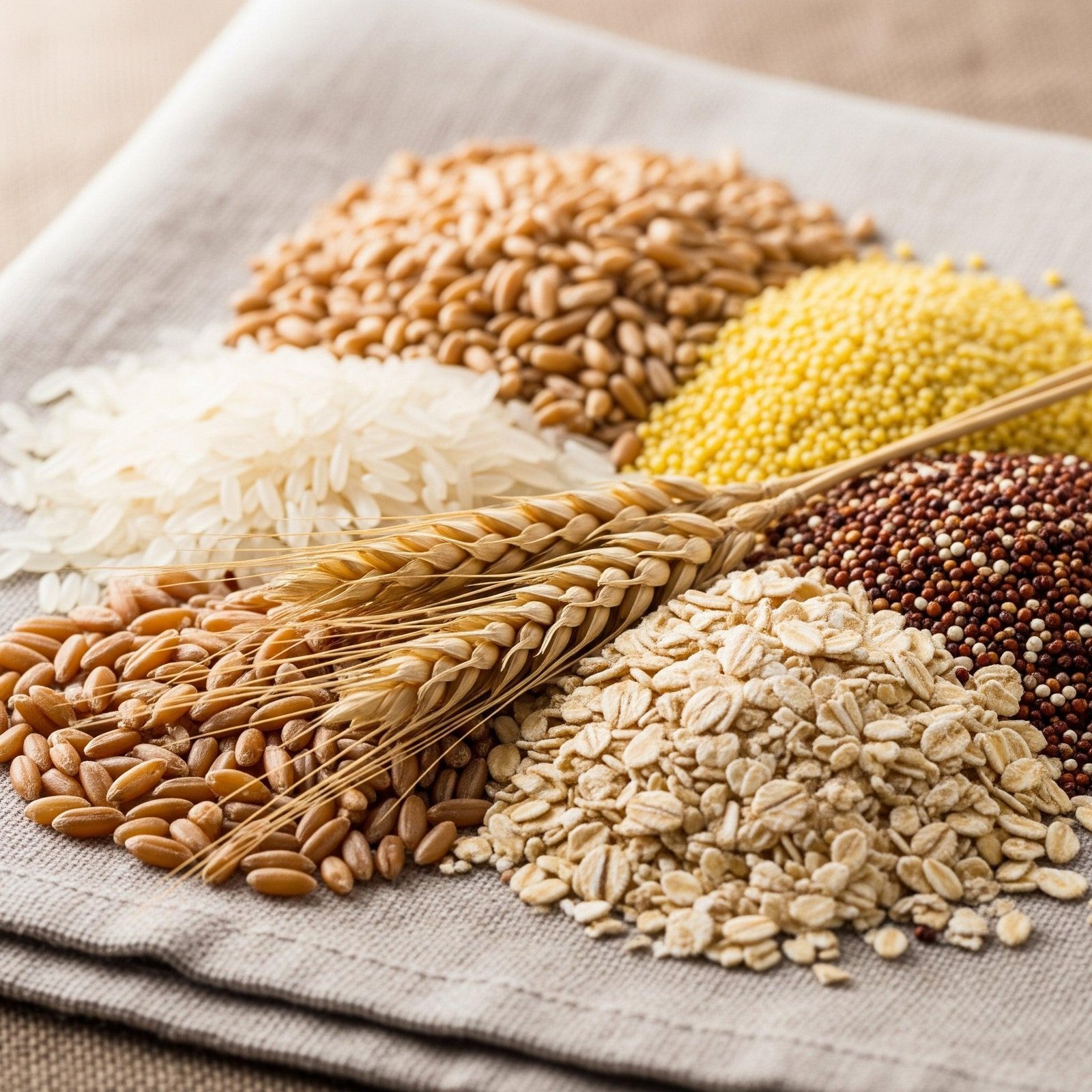
- Whole grains
- Pulses, beans and legumes
- Nuts and seeds
- Milk, curd or other nutritious dairy alternatives
- Adequate sources of protein
- Healthy fats in moderation
- Plenty of water
Healthy eating also means paying attention to how much we eat. Even nutritious food can contribute to excessive calorie intake when consumed in very large portions.
1. Healthy Food Provides Essential Nutrients
Our body needs several nutrients to function properly. These include carbohydrates, proteins, fats, vitamins, minerals, fibre and water.
Carbohydrates provide energy for daily activities. Proteins help maintain muscles and support the repair and growth of tissues. Healthy fats are important for brain function and help the body absorb certain vitamins.
Fruits and vegetables provide vitamins, minerals, antioxidants and fibre. Whole grains and legumes can provide complex carbohydrates and additional fibre.
When our meals contain a variety of foods, it becomes easier to obtain different nutrients instead of relying heavily on one type of food.
2. Healthy Eating Supports Energy Levels
Food is our body’s fuel. The quality and composition of our meals can influence how energetic we feel throughout the day.
A breakfast consisting mainly of sugary foods may provide quick energy but can leave some people feeling hungry again relatively soon. In contrast, a balanced meal containing protein, fibre and complex carbohydrates can provide more sustained nourishment.
For example, instead of starting the morning with only sweetened tea and biscuits, you could choose options such as vegetable poha with peanuts, oats with fruit and nuts, idli with sambar, or a vegetable and paneer sandwich.
The goal is not perfection. It is to create meals that keep you nourished and satisfied.
3. Healthy Food Habits Support Digestive Health
The digestive system plays an important role in breaking down food and absorbing nutrients.
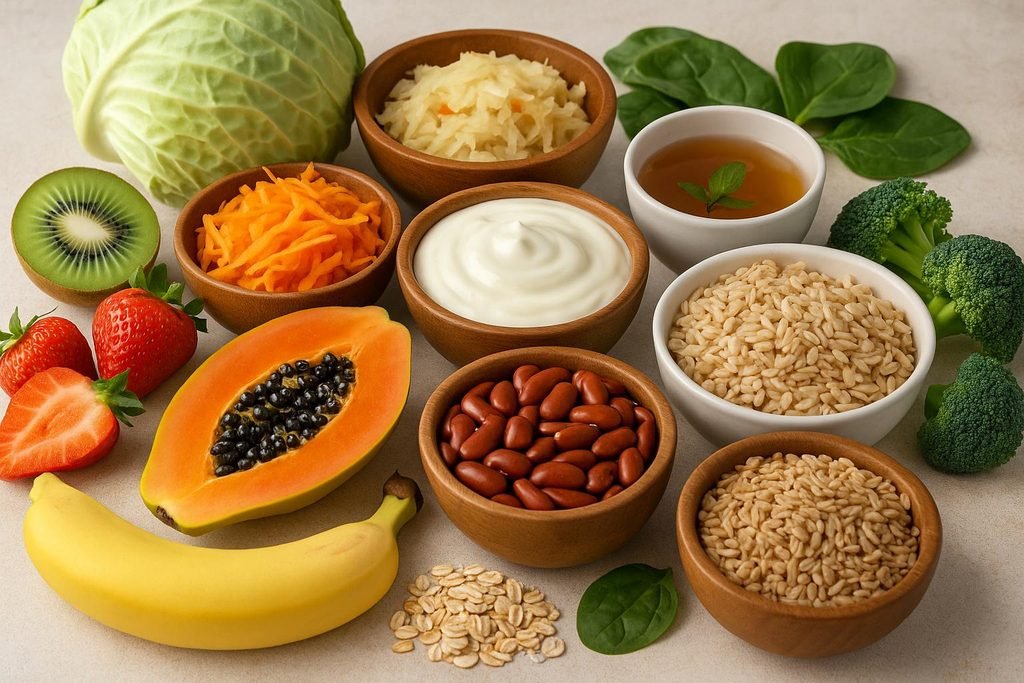
Fibre is particularly important for maintaining healthy digestion. Fruits, vegetables, whole grains, beans, lentils, nuts and seeds are useful sources of dietary fibre.
Increasing fibre gradually and drinking sufficient water can help support regular bowel movements.
Traditional Indian diets can naturally provide plenty of fibre through foods such as dal, vegetables, fruits, whole grains, sprouts and legumes. The key is to include these foods regularly rather than relying heavily on refined and highly processed foods.
4. Healthy Eating Helps Maintain a Healthy Weight
Maintaining a healthy weight is influenced by many factors, including physical activity, sleep, genetics and overall eating patterns.
A diet dominated by calorie-dense foods that are high in added sugars, unhealthy fats and refined carbohydrates can make it easier to consume more calories than the body requires.
On the other hand, meals containing vegetables, fruits, protein-rich foods and whole grains can provide greater nutritional value and often help with satiety.
Healthy eating should not mean starving yourself or eliminating entire food groups without medical reason. Sustainable habits are generally more useful than extreme diets.
5. Healthy Food Can Support Heart Health
The foods we eat can contribute to overall cardiovascular health.
Including vegetables, fruits, whole grains, legumes, nuts and seeds in the diet provides fibre and various beneficial nutrients. Choosing healthier sources of fats and limiting excessive intake of foods high in saturated fats, added sugars and sodium can also form part of a heart-conscious eating pattern.
Simple changes can make a difference. For example, you might use nuts or seeds as a snack instead of frequently choosing fried packaged snacks.
6. Food Habits Influence Long-Term Health
Healthy eating is not only about how we feel today. Our long-term eating patterns can influence our risk of several chronic health conditions.
A balanced diet combined with regular physical activity, sufficient sleep and other healthy lifestyle habits can support overall well-being.
This is why it is better to think about healthy eating as a lifestyle rather than a temporary diet.
A two-week diet followed by months of unhealthy eating is unlikely to create sustainable change. Small habits repeated over years are much more meaningful.
7. Healthy Eating Can Improve Your Relationship With Food
Healthy eating should not become a source of guilt.
Food is also connected to culture, celebrations, family and enjoyment. There is room for favourite foods in a healthy lifestyle.
The important distinction is between occasional indulgence and everyday eating patterns.
You can enjoy a dessert at a celebration and still maintain healthy eating habits. You can eat your favourite restaurant meal occasionally without considering your entire diet unhealthy.
A balanced approach is more realistic and easier to maintain.
Simple Healthy Food Habits to Start Today
You do not need to completely change your diet overnight. Start with manageable changes.
Eat more vegetables
Try adding at least one vegetable preparation to lunch and dinner.
Include protein in meals
Dal, beans, chickpeas, paneer, curd, soy products, nuts and seeds can contribute protein to a vegetarian diet.
Choose whole or minimally processed foods more often
Foods closer to their natural form can make nutritious eating easier.
Drink more water
Keep a water bottle nearby and make hydration part of your daily routine.
Reduce sugary beverages
Replace frequent consumption of sugary drinks with water, unsweetened beverages or other lower-sugar choices.
Eat mindfully
Slow down while eating. Pay attention to hunger and fullness rather than automatically eating while watching television or scrolling on your phone.
Healthy Eating Is About Consistency
One healthy meal will not transform your health, just as one indulgent meal will not ruin it.
The real impact comes from what you do repeatedly.
If you gradually replace highly processed snacks with fruit, nuts or homemade options, add vegetables to your meals, include protein regularly and drink more water, these small actions can become powerful long-term habits.
Healthy eating does not have to be expensive, complicated or boring. Indian kitchens already contain many nutritious foods such as lentils, vegetables, fruits, millet, whole grains, nuts, seeds and spices.
The goal is simply to use them more consistently.
Final Thoughts
Healthy food habits are one of the foundations of a healthy lifestyle. They provide the body with essential nutrients, support digestion and energy, and contribute to long-term well-being.
Rather than searching for the latest restrictive diet, focus on simple habits that you can maintain for years.
Eat a variety of foods. Include plenty of plant foods. Choose nutritious sources of protein. Drink enough water. Enjoy treats in moderation. And most importantly, make healthy choices consistently rather than trying to be perfect.
A healthier life can begin with something as simple as making your next meal a little more nutritious.