10 Healthy Eating Habits Everyone Should Develop for a Better Lifestyle
Healthy eating does not need to be complicated. In fact, some of the most effective habits are surprisingly simple.
Many people believe that eating healthy means following an expensive diet, buying specialised foods or giving up their favourite meals. In reality, healthy eating is primarily about creating a balanced pattern that provides your body with the nutrients it needs.
Whether you are a student, working professional, parent or senior citizen, developing a few basic food habits can make nutritious eating easier.
1. Never Make Breakfast an Afterthought
Breakfast is often called the most important meal of the day, although the overall quality of your diet matters more than any single meal.
If you choose to eat breakfast, try to make it nutritious rather than relying on highly processed foods.
Good options can include:
- Vegetable poha
- Idli and sambar
- Vegetable upma
- Oats with nuts and fruit
- Whole-grain toast with paneer or vegetables
- Dosa with sambar
- Curd with fruit and seeds
The ideal breakfast will differ from person to person. What matters is choosing something that fits your nutritional needs and lifestyle.
2. Add More Fruits and Vegetables
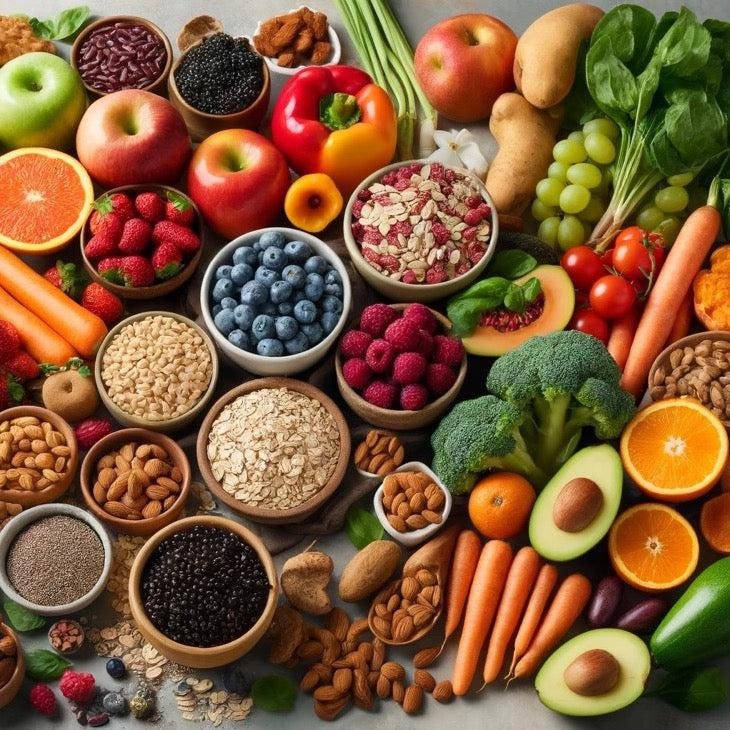
Fruits and vegetables are rich sources of vitamins, minerals, fibre and other beneficial plant compounds.
Try to include different colours throughout the day. Green vegetables, orange fruits, red vegetables, purple produce and other colourful foods provide different nutrients.
Instead of thinking about vegetables as something you “have to eat,” make them part of the main meal.
Add spinach to dal, vegetables to poha, carrots and beans to pulao, or fruit to breakfast.
Small additions can gradually increase variety.
3. Include Protein in Your Meals
Protein is essential for maintaining and repairing body tissues.
Vegetarian sources include lentils, chickpeas, kidney beans, peas, soy products, paneer, curd, milk, nuts and seeds.
Try to include a source of protein in each main meal.
For example:
Breakfast: Moong dal chilla with curd
Lunch: Dal, rice, vegetables and curd
Snack: Roasted chana and fruit
Dinner: Paneer or tofu with vegetables and roti
The exact quantity required depends on factors such as age, body size, activity level and health status.
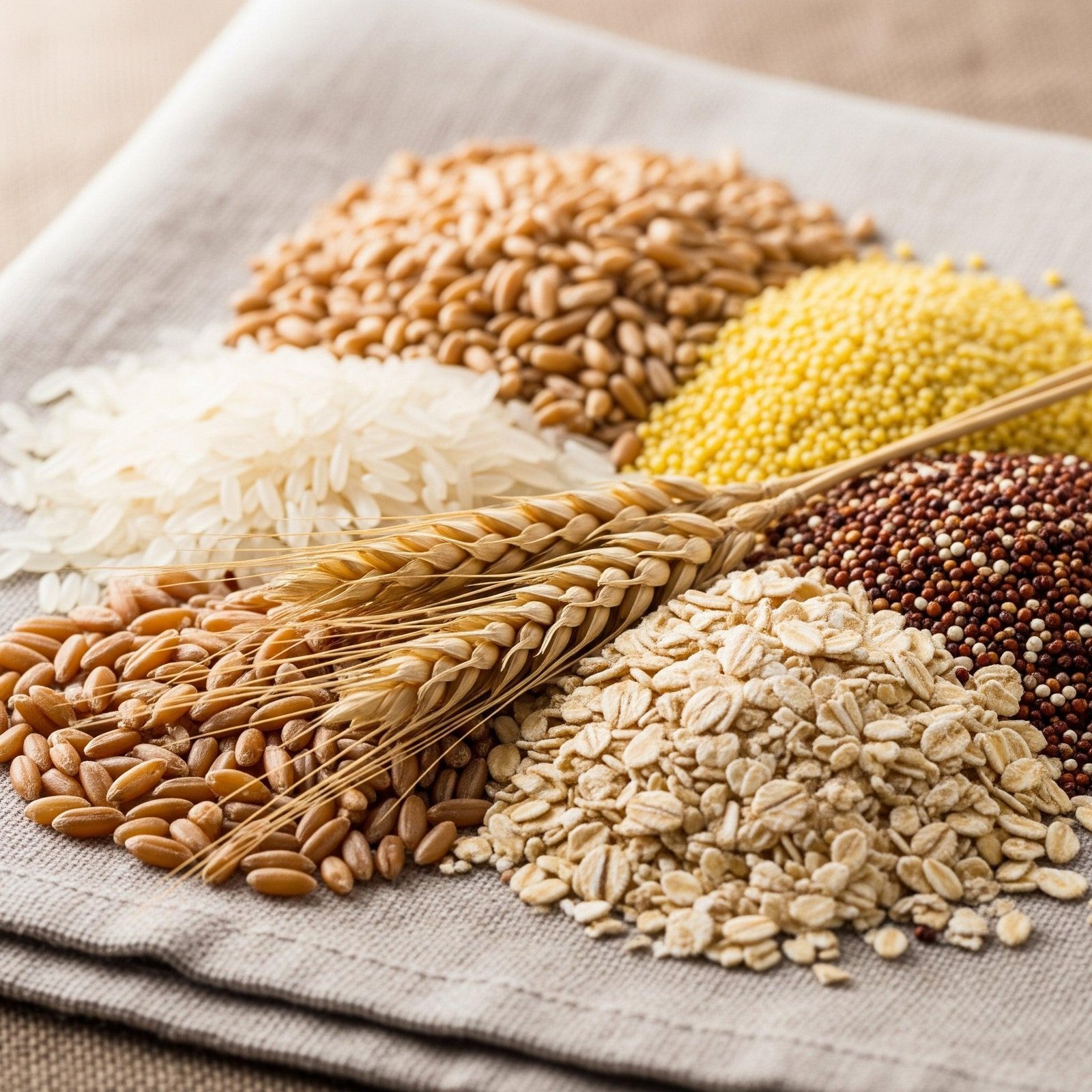
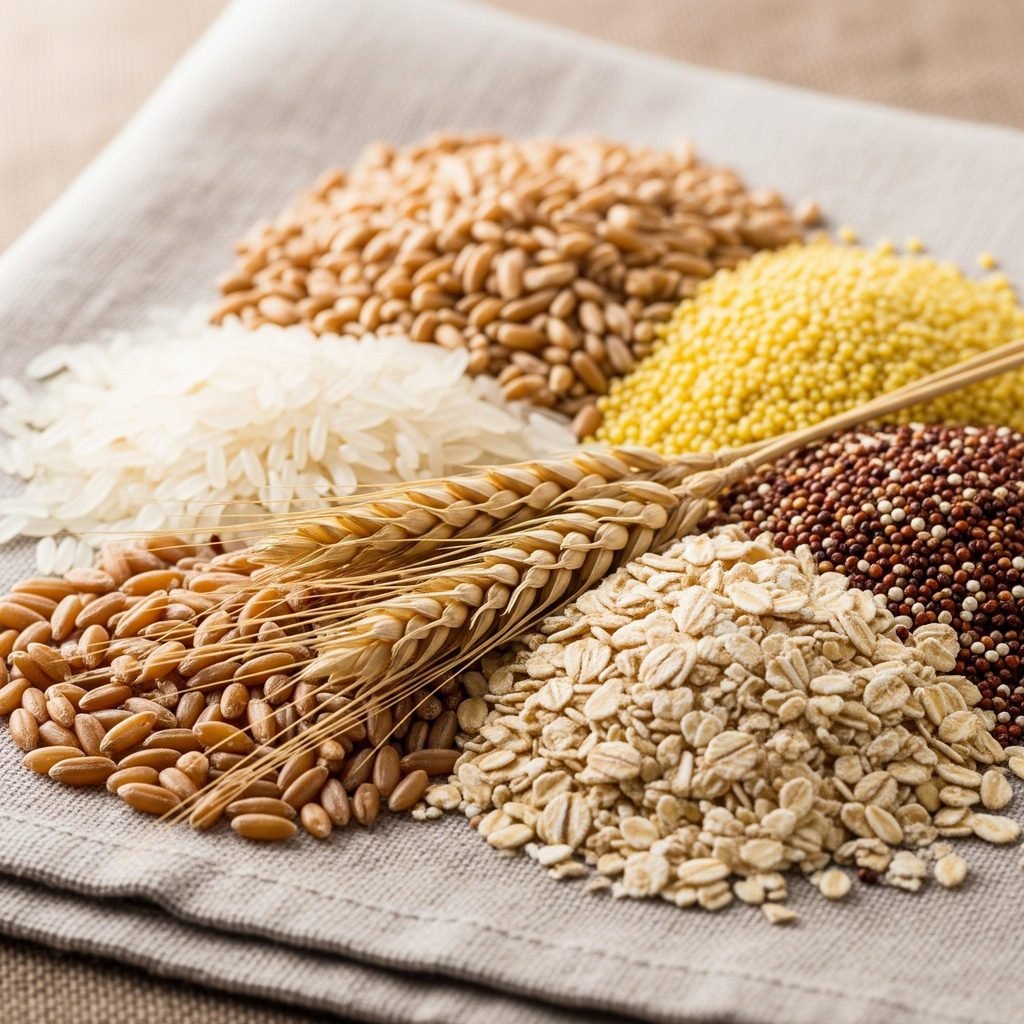
4. Choose Whole Grains More Often
Refined grains have undergone processing that removes parts of the grain.
Whole grains retain more of the grain structure and generally provide more fibre and nutrients.
Options include:
- Whole wheat
- Oats
- Brown rice
- Millets
- Barley
- Whole-grain breads
This does not mean refined grains must be completely eliminated. Instead, consider replacing some refined-grain choices with whole-grain alternatives.
5. Make Water Your Everyday Drink
Our bodies require water for many functions.
Yet many people consume sugary drinks regularly without considering how much added sugar they provide.
Water should generally be the primary beverage for hydration.
You can also enjoy unsweetened tea, coffee and other beverages according to your preferences.
If plain water feels boring, adding lemon, mint or fruit slices can make it more appealing.
6. Reduce Highly Processed Snacks
Packaged chips, biscuits, sugary cereals, sweets and other highly processed foods can be convenient, but they may contain substantial amounts of added sugar, sodium or unhealthy fats depending on the product.
You don’t have to eliminate these foods completely.
Instead, reduce how frequently they appear in your everyday diet.
Keep healthier alternatives easily available:
- Fruits
- Roasted chana
- Nuts
- Seeds
- Homemade snacks
- Unsweetened yoghurt
- Vegetable sandwiches
When nutritious food is convenient, making a better choice becomes easier.
7. Pay Attention to Portion Sizes
Healthy food is still food. Eating excessively large portions can result in consuming more energy than your body requires.
One useful strategy is to serve food on a plate rather than eating directly from a large packet or container.
Eat slowly and give your body time to recognise fullness.
Portion needs differ between people, so there is no universal “perfect” plate size.
8. Avoid Skipping Meals Regularly
Some people skip meals because they are busy and then become extremely hungry later.
This can make it harder to make thoughtful food choices.
Preparing simple meals in advance can help.
For example, keeping cooked dal, chopped vegetables, curd and fruit available can make healthy meals much easier during busy days.
9. Read Food Labels
Food labels can provide useful information about ingredients and nutritional content.
When buying packaged foods, check:
- Serving size
- Added sugars
- Sodium
- Saturated fat
- Protein
- Fibre
- Ingredient list
Don’t focus on a single number. Consider the product as a whole.
Learning to read labels gives you more control over your food choices.
10. Practice Mindful Eating
Eating while working, watching television or scrolling through social media can make it easy to lose track of how much food you have consumed.
Mindful eating means paying attention to your meal.
Try sitting down, eating slowly and noticing the flavours and textures.
Also pay attention to hunger and fullness.
This simple habit can make meals more enjoyable and encourage greater awareness of eating patterns.
How to Make Healthy Habits Last
The biggest mistake people make is trying to change everything at once.
Instead, choose two habits.
For example:
Week 1: Drink more water.
Week 2: Add one fruit every day.
Week 3: Add vegetables to lunch and dinner.
Week 4: Replace one packaged snack with a homemade alternative.
Gradual changes are often easier to maintain.
Healthy Eating Does Not Mean Perfect Eating
There will be days when you eat pizza, sweets, fried food or dessert.
That is normal.
A healthy lifestyle should leave room for enjoyment.
The goal is to make nutritious food the foundation of your diet while enjoying less nutritious foods occasionally.
Think about your eating pattern over weeks and months rather than judging yourself based on one meal.
Conclusion
Healthy eating habits can improve the overall quality of your lifestyle. You don’t need complicated recipes or expensive superfoods.
Eat more vegetables and fruits, include protein, choose whole grains more often, drink water, watch portions and reduce your dependence on highly processed foods.
Most importantly, start small.
Healthy eating is not a short-term challenge. It is a collection of small decisions that become a lifestyle.