
Healthy Eating Habits for Busy Working Professionals
Modern work culture has changed the way people eat. Long working hours, meetings, commuting, deadlines and screen time can make healthy eating difficult.
For many professionals, breakfast becomes a cup of coffee, lunch is eaten quickly at the desk and dinner becomes a large meal after a long day.
When this pattern continues for months or years, food quality can gradually suffer.
The good news is that healthy eating does not require hours of cooking every day. With planning and a few practical habits, even busy professionals can build a nutritious eating routine.
Why Working Professionals Struggle With Healthy Eating
Workplaces can create several challenges.
You may have limited time for lunch, easy access to vending machines, frequent team celebrations, business dinners or long commutes.
Stress and fatigue can also make convenient food more attractive.
After working for ten hours, cooking an elaborate dinner may feel impossible.
The solution isn’t to demand perfection. Instead, create systems that make healthier choices easier.

Start With a Simple Breakfast
A nutritious breakfast can be quick.
You don’t need to prepare something elaborate every morning.
Try:
- Overnight oats
- Fruit with curd and seeds
- Vegetable poha
- Moong dal chilla
- Idli and sambar
- Whole-grain toast with paneer
- Smoothie with fruit, curd and seeds
Preparing some ingredients the night before can save valuable morning time.
Meal Preparation Can Save Time
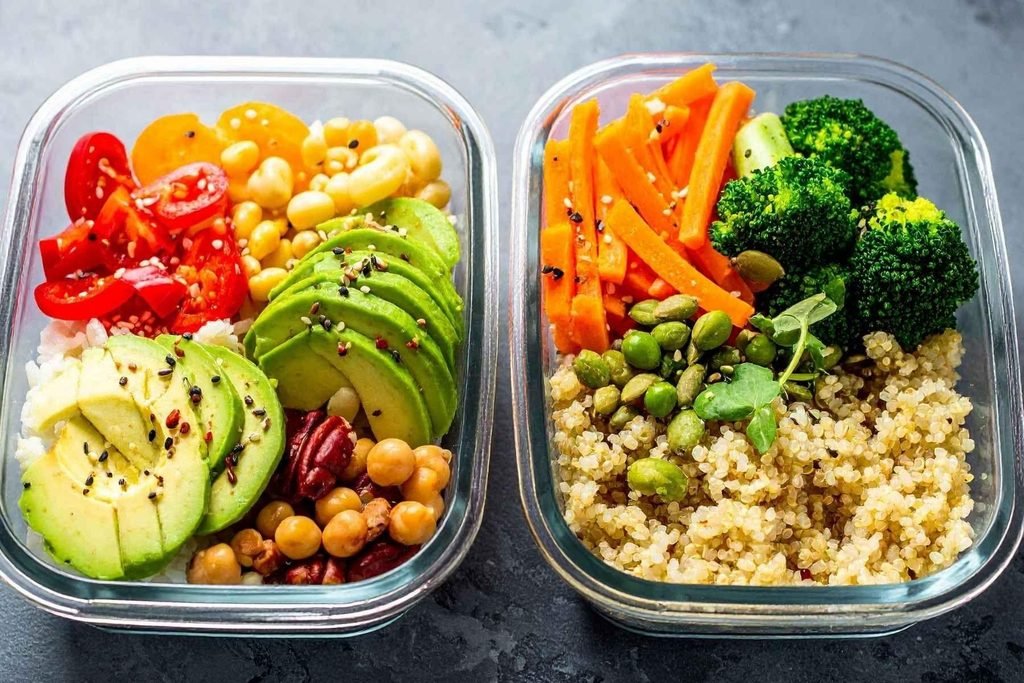
Meal preparation doesn’t mean cooking seven complete meals on Sunday.
It can be as simple as preparing a few basic ingredients.
For example, you could prepare:
- Cooked dal
- Boiled chickpeas
- Chopped vegetables
- Cooked grains
- Homemade chutney
- Curd
- Roasted nuts and seeds
These ingredients can then be combined into different meals during the week.
Build a Balanced Office Lunch
A practical lunch can contain:
Protein + vegetables + carbohydrate + healthy fat
For example:
Dal + vegetables + roti + curd
or
Chickpea salad + whole-grain roti + yoghurt
or
Rajma + rice + salad + vegetables
The exact combination can vary according to dietary preference.
Keep Healthy Snacks at Work
Hunger between meals is normal.
The problem is that when you are extremely hungry, the easiest available option often wins.
Keep simple snacks at your desk or workplace, such as:
- Almonds
- Walnuts
- Roasted chana
- Seeds
- Fresh fruit
- Unsweetened yoghurt
- Homemade energy bites
Portion snacks into smaller containers rather than continuously eating from a large packet.
Be Careful With Liquid Calories
Coffee and tea are common workplace beverages.
The beverage itself may not be the problem. Added sugar, cream and flavoured syrups can increase calorie intake.
You don’t necessarily need to stop drinking coffee.
Instead, gradually reduce added sugar if you consume it frequently.
Also pay attention to sugary soft drinks and packaged juices.
Don’t Let Meetings Replace Meals
Back-to-back meetings are common in professional life.
However, regularly delaying meals until you are extremely hungry can make healthy eating more difficult.
If you know you have a busy afternoon, keep a practical snack available.
A banana, handful of nuts or roasted chana can be more useful than waiting several additional hours for lunch.
Eating at Restaurants
Working professionals often have client meetings, team lunches and social dinners.
You can still make balanced choices.
Consider:
- Grilled or roasted foods
- Vegetable-based dishes
- Dal
- Roti
- Rice in reasonable portions
- Salads
- Soups
You don’t have to completely avoid restaurant food.
Pay attention to portion size and frequency instead.
Don’t Depend on “Healthy” Labels
Products marketed as healthy aren’t automatically nutritious.
Granola bars, protein snacks, breakfast cereals and packaged drinks can vary significantly in nutritional content.
Read the ingredient and nutrition information instead of relying only on marketing claims.
Sleep and Food Habits Are Connected to Lifestyle
Healthy eating works best as part of an overall healthy lifestyle.
If you are constantly sleep deprived and stressed, maintaining good eating habits may become harder.
Try to create a realistic routine that includes:
- Regular meals
- Physical activity
- Adequate sleep
- Hydration
- Breaks from screens
- Time for relaxation
The 80/20 Mindset
You don’t need every meal to be perfect.
A practical approach is to make nutritious choices most of the time while leaving room for flexibility.
If you have pizza with colleagues on Friday evening, that doesn’t mean your healthy lifestyle has failed.
Return to your normal routine at the next meal.
Avoid the “I already ate unhealthy food, so I’ll continue all weekend” mentality.
Create an Emergency Food Plan
Every busy professional should have a backup plan.
Ask yourself:
What will I eat when I have absolutely no time to cook?
Your answer might include:
- Fruit + curd + nuts
- Paneer sandwich
- Vegetable soup + roti
- Dal + rice
- Sprouts chaat
- Healthy ready-to-eat options with good nutritional profiles
Having a backup prevents one hectic day from turning into a week of poor eating.
Conclusion
Healthy eating as a working professional is primarily about preparation and convenience.
You don’t need to cook complicated meals every day.
Prepare a few ingredients, carry lunch when possible, keep nutritious snacks available and make water your primary beverage.
Most importantly, don’t aim for perfection.
The best healthy eating routine is the one that fits your real life and can be followed consistently.