Healthy Eating for a Stronger Body and Better Everyday Energy
Food affects much more than hunger.
The meals we consume provide the energy and nutrients our bodies need for everyday activities. From walking and working to exercising and recovering, our bodies depend on nutrition.
Unfortunately, many people focus on food only when they want to lose weight. Healthy eating, however, has a much broader purpose.
It is about nourishing the body, supporting normal bodily functions and creating sustainable energy throughout the day.
Food Is the Body’s Fuel
Think about your body like a vehicle.
A vehicle needs the right fuel to operate properly. Similarly, your body requires energy and nutrients from food.
Carbohydrates are an important source of energy. Proteins support tissue maintenance and repair. Fats perform several important functions, including helping with absorption of certain vitamins.
Vitamins and minerals support numerous processes within the body.
Water is also essential.
This is why a balanced diet matters.
Why Protein Matters
Protein is made up of amino acids that the body uses for numerous functions.
Protein-rich foods include:
- Dal
- Chickpeas
- Kidney beans
- Soy
- Tofu
- Paneer
- Milk
- Curd
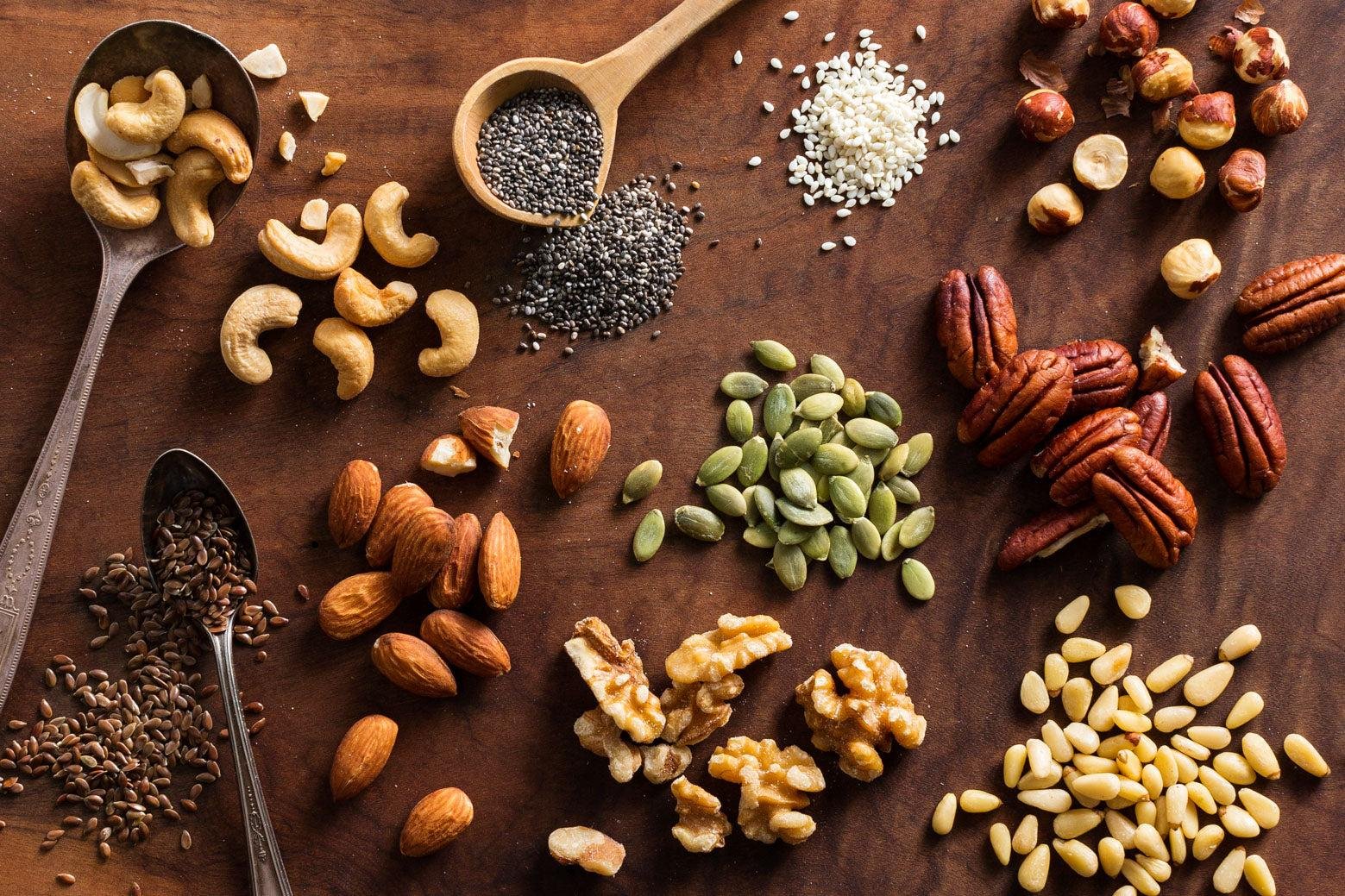
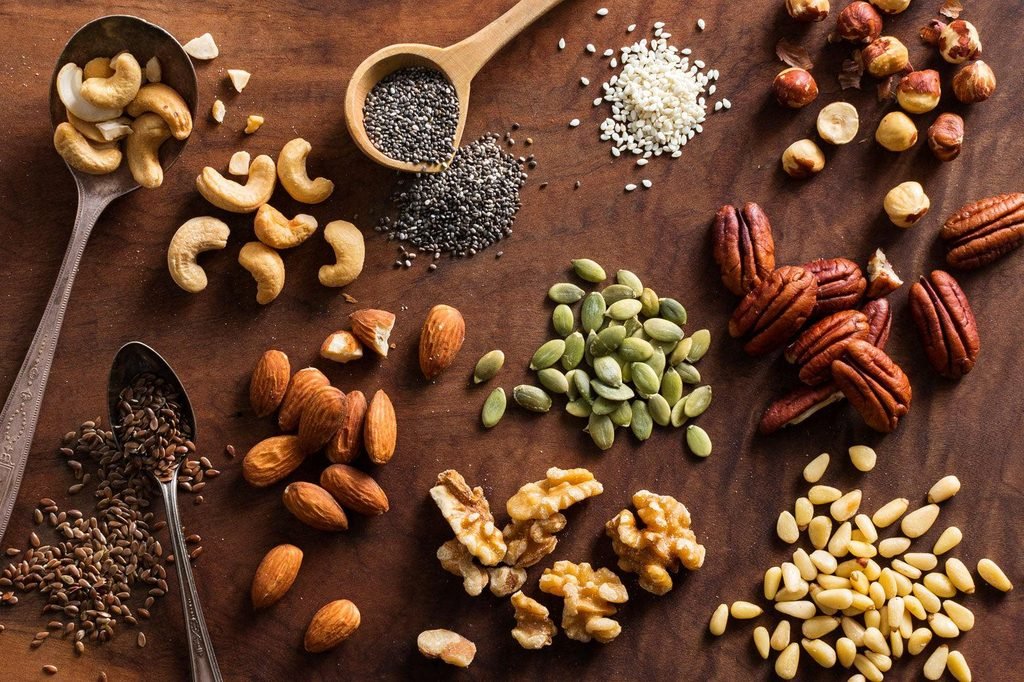
- Nuts
- Seeds
Including protein in meals can also help make meals more satisfying.
For people following a vegetarian diet, eating a variety of plant and dairy protein sources can help provide nutritional diversity.
The Role of Carbohydrates
Carbohydrates sometimes receive unnecessary criticism.
They are an important energy source.
The quality and quantity of carbohydrates matter.
Instead of relying primarily on refined carbohydrates and sugary foods, include foods such as whole grains, oats, vegetables, fruits and legumes.
Millets, brown rice, whole wheat, oats and other whole grains can be useful additions to a balanced diet.
Don’t Fear Healthy Fats
Fats are an essential part of nutrition.
Nuts, seeds and certain plant oils provide fats along with other nutrients.
However, fats are calorie-dense, so portion sizes matter.
A handful of nuts can be a nutritious snack, but continuously eating large quantities may provide much more energy than intended.
Balance is important.
Eat a Variety of Foods
No single food provides every nutrient your body requires.
This is why variety is one of the foundations of healthy eating.
Instead of eating the same vegetables every day, rotate your choices.
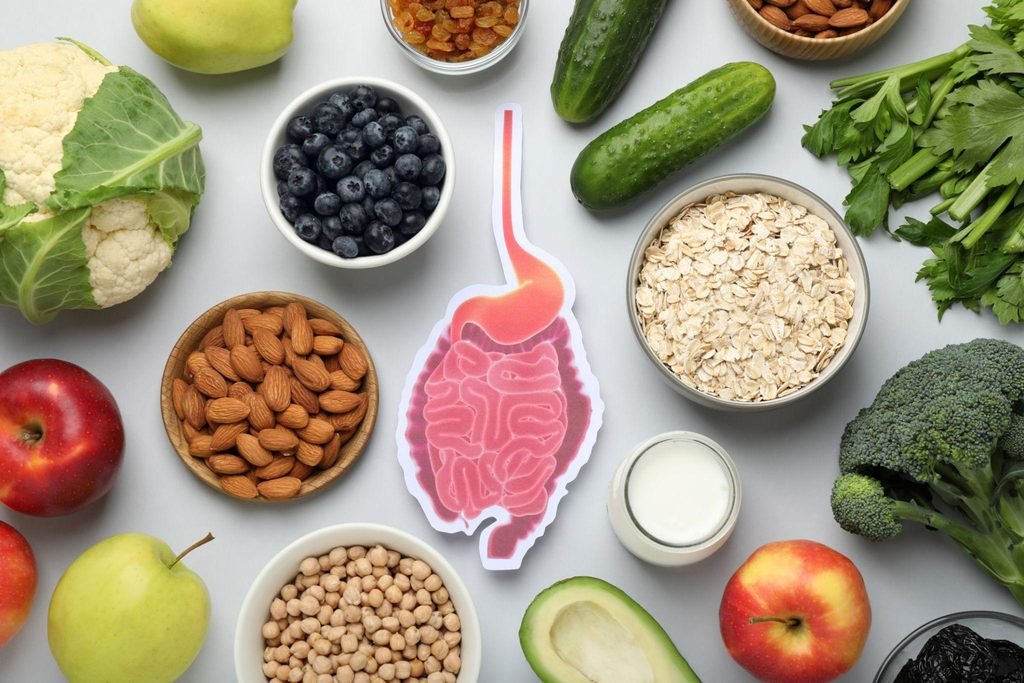
Try different fruits, leafy vegetables, legumes, whole grains, nuts and seeds.
A colourful plate is often a simple visual reminder to include variety.
Healthy Food and Physical Activity
Nutrition and exercise complement each other.
If you exercise regularly, your body may require adequate energy and protein to support activity and recovery.
However, exercising does not mean you can ignore food quality.
Similarly, eating healthy doesn’t replace the benefits of physical activity.
A healthy lifestyle combines nutritious eating with regular movement.
Why You May Feel Hungry Frequently
Frequent hunger can have many causes.
Sometimes meals lack sufficient protein or fibre. In other cases, you may simply not be eating enough food.
Sleep, stress and physical activity can also influence appetite.
Instead of immediately blaming yourself for “having no control,” examine your overall eating pattern.
Is your breakfast filling?
Does lunch contain protein?
Are you eating vegetables and whole grains?
Are you drinking enough water?
These questions can help identify areas to improve.
Make Healthy Food Convenient
Convenience plays a major role in food choices.
If fruit is washed and ready to eat, you are more likely to choose it.
If nuts are portioned into small containers, they become an easy snack.
If vegetables are already chopped, cooking becomes faster.
Healthy eating becomes easier when the environment supports it.
Smart Grocery Shopping
A healthy diet begins at the grocery store.
Before shopping, make a simple list.
Include:
- Seasonal fruits
- Vegetables
- Whole grains
- Pulses
- Dairy or alternatives
- Nuts
- Seeds
- Healthy cooking ingredients
Avoid shopping when extremely hungry if you tend to buy many impulse foods.
Healthy Eating Doesn’t Mean Expensive Eating
You don’t need expensive imported foods or trendy supplements to eat well.
Many nutritious foods are affordable:
- Dal
- Chana
- Rajma
- Seasonal vegetables
- Bananas
- Guava
- Peanuts
- Curd
- Millets
- Whole wheat
Indian cuisine offers countless nutritious options.
Listen to Your Body
Healthy eating also involves awareness.
Pay attention to hunger and fullness.
Notice which foods make you feel satisfied.
Eat slowly.
Avoid automatically eating simply because food is available.
This doesn’t mean obsessing over every calorie. It means developing a healthier relationship with food.
Conclusion
Healthy food habits provide the nutritional foundation our bodies need.
Rather than searching for a magical food that will transform your health, focus on the basics:
Eat a variety of foods. Include protein. Choose quality carbohydrates. Include healthy fats. Eat plenty of plant foods. Drink water. And stay physically active.